
bill@vibootech.com
+8618664066083
When building a security checkpoint, whether for an airport, a courthouse, or a high-profile event, two pieces of equipment are fundamental: the walk-through metal detector and the X-ray baggage scanner. While both are essential for threat detection, they operate on completely different principles and are designed for complementary roles. Understanding their differences is key to implementing an effective layered security system.
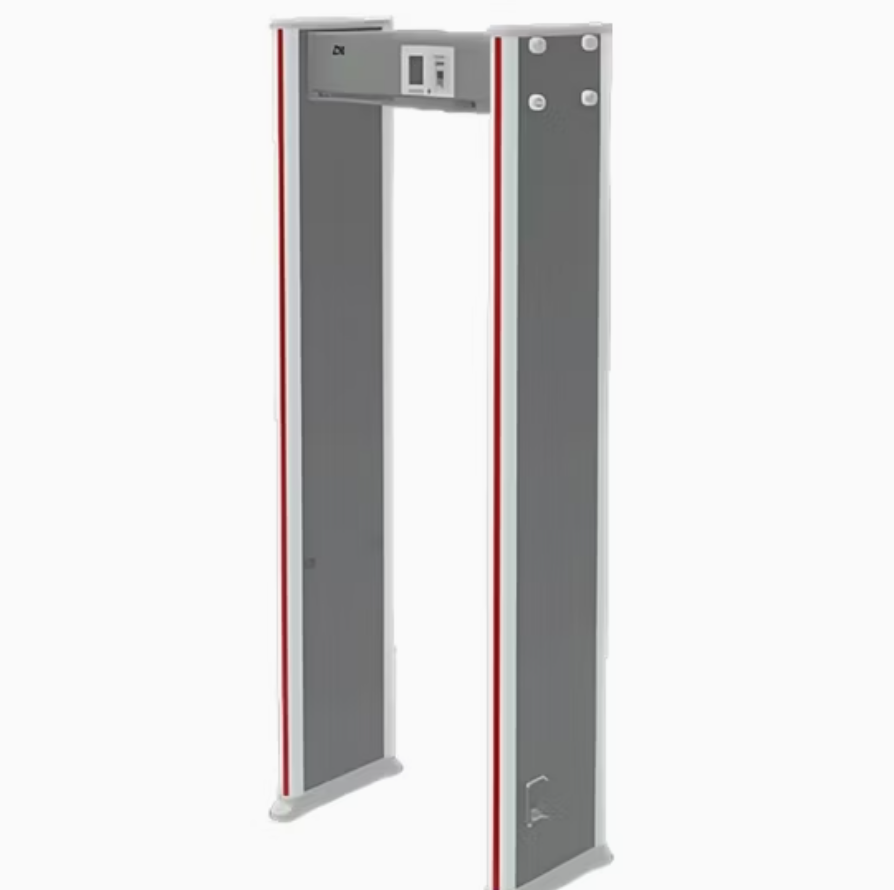
Metal Detector (Walk-Through Arch):
Primary Target: Ferrous and non-ferrous METALS (iron, steel, aluminum, copper, etc.).
How it Works: It creates a low-frequency electromagnetic field. Metallic objects passing through disturb this field, triggering an alarm. It cannot identify the shape, type, or exact composition of the metal—only its presence and approximate mass.
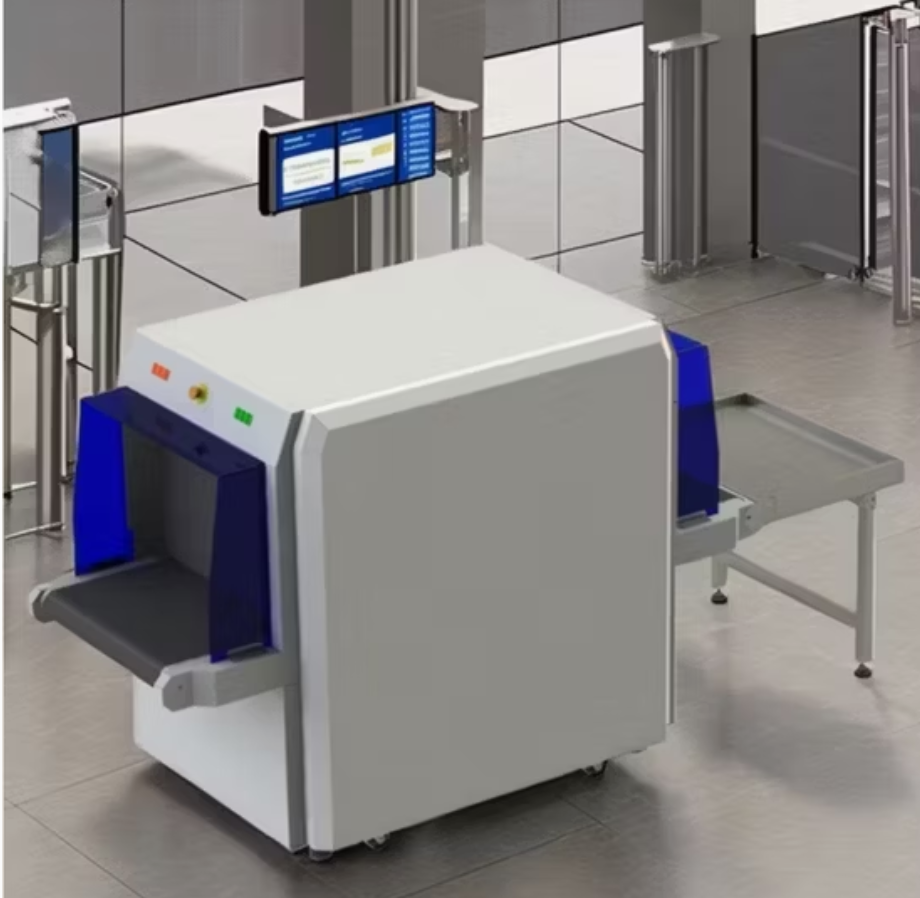
X-ray Scanner (Baggage Inspection System):
Primary Target: Visualizes the SHAPE, DENSITY, and MATERIAL COMPOSITION of all items inside a bag or parcel.
How it Works: It emits a controlled beam of X-rays. Denser materials (like metal, batteries) absorb more rays and appear darker. Advanced Dual-Energy systems go further, color-coding materials (organic=orange, inorganic=green, metals=blue) to distinguish explosives, liquids, ceramics, and metals.
| Scenario | Metal Detector | X-ray Scanner |
|---|---|---|
| Screening People | Primary Tool. Quickly screens individuals for concealed metal weapons (knives, guns). | Not Applicable (harmful radiation for human scanning). |
| Inspecting Carry-on Bags/Parcels | Limited Effectiveness. Can only indicate metal is present, but cannot distinguish keys from a gun. | Primary Tool. Provides a clear view of the layout, material, and shape of all contents inside. |
| Detecting Non-Metal Threats | Cannot Detect. e.g., plastic weapons, ceramic knives, explosives, liquids. | Core Advantage. Detects via material discrimination and shape analysis. |
| Throughput & Efficiency | Very High. People can walk through at a normal pace (1-2 seconds per person). | Operator-Dependent. Requires conveying and image analysis, slower but far more precise in content assessment. |
The most effective security strategy uses these technologies in sequence, creating “layers” of defense:
First Layer (Person): Individuals walk through a metal detector arch. This quickly filters out anyone carrying significant metal objects on their person.
Second Layer (Belongings): Their bags and belongings pass through the X-ray scanner. This provides a detailed internal view to identify threats regardless of material—catching what the metal detector might miss if a threat were only in the bag.
This combination addresses a wider range of threats and significantly reduces the chance of a dangerous item passing through undetected.
In summary, asking whether a metal detector or an X-ray scanner is “better” is like asking whether a lock or a security camera is better—they solve different problems. The metal detector is your fast, efficient tool for screening people for metal objects. The X-ray scanner is your detailed, analytical tool for inspecting the contents of bags for all types of threats. Together, they form the indispensable foundation of modern physical security, each playing a critical role in a comprehensive safety strategy.
Contact: Bill wang
Phone: +8618664066083
E-mail: bill@vibootech.com
Whatsapp:+8618664066083
Add: No.23, Machong Avenue, Machong Town, Dongguan City, Guangdong Province China.
We chat
